Muscle recovery is not just the quiet time between workouts; it is the biological process that allows your body to repair, adapt, and come back stronger after training, which is why understanding the science of muscle repair can help you get better results from every workout, whether your goal is strength, fat loss, mobility, athletic performance, or long-term wellness.
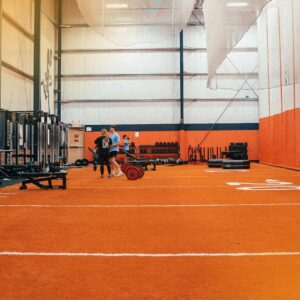
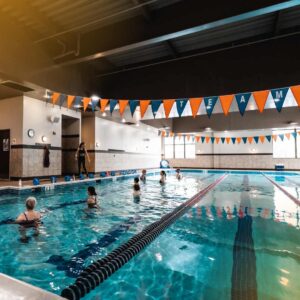
At Team85 Fitness & Wellness, members have access to a complete fitness and recovery environment in Bordentown, NJ, including a fitness center, indoor pool, sauna, café, sports programs, and wellness-focused amenities that support both training and post-workout recovery. Team85 describes itself as a state-of-the-art fitness and wellness facility with aquatics, family programs, turf fields, sauna access, and recovery-friendly services.
What Is Muscle Recovery and Why Does It Matter?
Muscle recovery is the process your body uses to repair microscopic muscle damage, restore energy stores, reduce fatigue, balance hydration, and prepare your nervous system for the next session, and this process is essential because the workout creates the stimulus, but recovery is where many of the results actually develop.
When you lift weights, perform resistance training, swim, run, play sports, or complete a high-intensity class, your muscles experience stress and tiny disruptions in the fibers, and when you give the body enough rest, protein, hydration, sleep, and movement, it rebuilds those fibers so they can better handle future training demands.
The American College of Sports Medicine highlights recovery as a combination of nutrition, hydration, sleep, and appropriate activity, especially for people who want to continue performing well and reduce unnecessary fatigue.
The Science of Muscle Repair After Exercise
The science of muscle repair starts with controlled stress, because exercise challenges the muscles, connective tissues, cardiovascular system, and nervous system, and after training, your body begins a repair cycle that includes inflammation control, protein synthesis, glycogen restoration, fluid balance, and tissue remodeling.
Protein synthesis is especially important because amino acids from protein-rich meals help rebuild muscle tissue, while carbohydrates help restore glycogen, which is the stored energy your muscles use during training. Hydration also matters because water helps transport nutrients, regulate temperature, and support normal muscle function.
This is why post-workout recovery should never depend on one habit alone; a good recovery routine combines smart training, rest days, stretching routines, hydration, balanced meals, and enough sleep so the body has the resources it needs to repair and adapt.
Best Post-Workout Recovery Techniques for Better Results
The best recovery techniques are simple, consistent, and easy to repeat, because the body responds better to daily habits than occasional extreme methods.
A strong post-workout recovery routine may include a gradual cool-down, light walking, gentle mobility, stretching after the muscles are warm, hydration, a balanced meal, and sleep later that night. Mayo Clinic notes that stretching may support flexibility and range of motion, while warmed-up muscles are generally easier and safer to stretch after exercise.
Team85 members can also support recovery by using the Fitness Center, taking advantage of the sauna, choosing a smoothie or electrolyte drink from the café, and including lower-impact exercise options such as aquatic fitness when joints or muscles need a lighter training day.
Stretching Routines for Muscle Recovery and Flexibility
Stretching routines are often misunderstood, because stretching alone is not a magic cure for soreness, but it can improve flexibility, support joint movement, help the body transition out of intense exercise, and create a more intentional recovery habit.
A practical post-workout stretching routine can include hamstring stretches, quad stretches, hip flexor stretches, chest openers, shoulder mobility, calf stretches, and gentle spinal rotations, with each stretch performed slowly and without forcing the body into pain.
For best results, stretching should usually happen after the workout or after a warm-up, because warm muscles tend to move more comfortably, while aggressive static stretching before explosive activity may not always be ideal for performance. Mayo Clinic explains that stretching can improve flexibility and joint range of motion, but research is mixed on whether stretching directly prevents post-exercise soreness.
Sleep, Nutrition, and Hydration in the Science of Muscle Recovery
Sleep is one of the most powerful recovery techniques because it supports hormone regulation, tissue repair, mental focus, and energy restoration, and people who train hard but sleep poorly often experience slower progress, more soreness, lower motivation, and weaker performance.
Nutrition is another major part of the science of muscle repair, because muscles need amino acids to rebuild and carbohydrates to restore energy, while healthy fats, vitamins, and minerals support normal body function.
Hydration is equally important, especially after sweaty workouts, indoor training, sports sessions, or sauna use, because dehydration can increase fatigue and make recovery feel harder. Mayo Clinic’s recovery guidance includes hydration, food before and after exercise, light movement, stretching, massage, and cold-water immersion as possible recovery supports after tough workouts.
Active Recovery vs. Complete Rest Days
Active recovery means using light movement to increase circulation without adding serious training stress, and it can include walking, swimming, cycling at an easy pace, yoga, mobility work, or low-impact exercise in the pool.
Complete rest is also valuable, especially after heavy lifting, intense sports, hard conditioning, or weeks of consistent training, because some days the body needs less stimulation and more repair time.
Team85 has already published helpful guidance on why rest days matter, including sleep, hydration, protein-rich meals, stretching, mobility exercises, and regular rest days as important recovery habits.
Recovery Support for Burlington, Monmouth, Bucks County, and Mercer Residents
Burlington County, Monmouth County, Bucks County, and Mercer County each offer a unique mix of suburban neighborhoods, historic towns, family communities, local parks, commuter-friendly locations, and active homeowners who value convenient wellness options close to home. Bordentown’s location makes Team85 Fitness & Wellness especially accessible for nearby residents who want a fitness destination that supports more than basic workouts. In these communities, small businesses like Team85 help homeowners and families stay active by providing fitness programs, recovery amenities, aquatics, personal training, youth activities, and wellness services in a community-centered environment that fits busy local lifestyles.
How Team85 Fitness & Wellness Helps Maximize Muscle Recovery
Team85 Fitness & Wellness is more than a place to exercise; it is a full wellness environment where members can train, recover, refuel, and stay consistent through different stages of fitness.
The facility’s internal recovery-friendly features, including the fitness center, sauna, indoor pool, café, personal training, and group fitness options, allow members to build a routine that supports both effort and repair.
For example, a member may complete strength training, cool down with mobility work, use the sauna, hydrate with an electrolyte drink, and plan a lower-impact aquatic session for the next day, which creates a smarter rhythm between training stress and recovery.
Muscle Recovery Mistakes That Can Slow Your Results
Many people slow their progress because they train hard but recover randomly, and common mistakes include skipping sleep, ignoring hydration, training the same muscle groups too often, eating too little protein, stretching aggressively when sore, or treating rest days like failure.
Another mistake is assuming soreness always means progress, because soreness can happen after a new or intense workout, but consistent extreme soreness may indicate poor recovery, too much volume, or not enough rest.
A better approach is to track how you feel, notice your energy levels, rotate muscle groups, use active recovery when needed, and ask a qualified trainer for help when progress stalls or soreness becomes a regular problem.
FAQs About Muscle Recovery, Muscle Repair, and Post-Workout Recovery
What is muscle recovery after exercise?
What is the science of muscle repair?
How long does muscle recovery take?
What are the best post-workout recovery techniques?
Do stretching routines help with muscle recovery?
What should I eat for muscle recovery?
Is sleep important for muscle repair?
Is active recovery better than complete rest?
Can saunas support post-workout recovery?
What are signs of poor muscle recovery?
Does swimming help with recovery techniques?
How often should I take rest days for muscle recovery?
How can I maximize workout results with recovery techniques?