Cold plunges have moved from professional locker rooms into everyday fitness culture, yet the useful question is not whether icy water feels intense, but whether cold plunge recovery supports your training goals, soreness levels, and long-term progress. Research suggests cold-water immersion can reduce soreness and fatigue after demanding exercise, especially when quick recovery matters, although it cannot replace sleep, hydration, nutrition, or a well-planned program, and immediate use after every strength workout may work against muscle-building adaptations.
What Is Cold Water Therapy and How Does It Work?
Cold water therapy, also called cold-water immersion or an ice bath, involves placing part or most of the body in cold water for a short, controlled period. The cold narrows blood vessels, lowers tissue temperature, slows nerve signaling, and may temporarily reduce pain and swelling, which helps explain why athletes often report less soreness after hard training, but broader promises involving major fat loss, immunity, longevity, or guaranteed sleep improvement remain less certain.
Evidence-Based Cold Plunge Benefits After Exercise
The strongest evidence for cold plunge benefits concerns the first 24 to 48 hours after strenuous exercise, especially endurance events, high-intensity conditioning, tournaments, or tight training schedules. Reviews suggest that cold-water immersion can modestly reduce delayed-onset muscle soreness and improve perceived recovery compared with passive rest, although results vary by workout type, temperature, duration, training status, and individual response.
Cold Plunge for Sore Muscles and Exercise Fatigue
A cold plunge for sore muscles may be useful when stiffness could affect the next practice, game, or workout, because cold exposure can provide temporary pain relief and help some athletes feel ready sooner. It is therefore more useful during competitions or back-to-back events than during a normal training week.
Cold Plunge After Workout: Timing Matters for Muscle Growth
Using a cold plunge after workout sessions is not automatically beneficial. Research indicates that frequent immersion immediately after resistance training may weaken some hypertrophy-related signals, so people focused on building muscle should avoid making an ice bath an automatic post-lifting habit. A practical approach is to use it after conditioning, during competitions, on rest days, or when soreness management matters more than maximizing adaptation.
Cold Plunge Recovery vs. Other Recovery Methods
| Recovery method | Best use | Main advantage | Key limitation |
| Cold plunge or ice bath | Hard conditioning or rapid turnaround | May reduce soreness and perceived fatigue | Immediate post-lifting use may limit muscle growth |
| Active recovery | Light movement after training | Supports circulation without extreme cold | Usually offers less immediate pain relief |
| Sauna or heat | Relaxation and muscle comfort | May ease tension and support relaxation | Can increase dehydration risk |
| Sleep, hydration, and nutrition | Every training goal | Supports repair and long-term progress | Requires daily consistency |
For most people, recovery still depends on sleep, protein, balanced meals, fluids, progressive training, and rest, while cold therapy remains optional.
Safe Ice Bath Temperature, Duration, and Frequency
Beginners should start conservatively, because colder and longer are not automatically better. A practical range is about 50°F to 59°F, or 10°C to 15°C, for one to two minutes, with gradual progression only when the body responds well; Cleveland Clinic cold plunge guidance advises beginners to remain cautious and avoid sessions longer than five minutes.
Keep your head above water, control your breathing, have another person nearby, and exit immediately if you develop dizziness, chest pain, confusion, numbness, or uncontrolled breathing.
People with heart disease, high blood pressure, poor circulation, diabetes, pregnancy, respiratory conditions, or a history of fainting should consult a healthcare professional first, because sudden cold exposure can sharply increase breathing, heart rate, and blood pressure.
Cold Plunge Use in the United States, United Kingdom, and Canada
| Country | Common setting | Practical takeaway |
| United States | Gyms, sports programs, and home plunge tubs | Match timing to training goals and screen for cardiovascular risk |
| United Kingdom | Sea swimming, outdoor dips, and wellness facilities | Water below 15°C can trigger cold shock |
| Canada | Cold lakes, winter exposure, and indoor recovery | Natural-water immersion has greater environmental risk |
Across countries, a controlled tub is not the same as entering a lake, river, or ocean, where currents, weather, depth, and limited exit options increase risk. UK and Canadian safety organizations emphasize that cold shock can disrupt breathing even in capable swimmers.
Fitness and Recovery Around Burlington, Monmouth, Bucks County, and Mercer
Burlington, Monmouth, Bucks County, and Mercer combine active communities, parks, youth sports, humid summers, and cold winters, making consistent indoor training valuable. These areas are known for their mix of suburban neighborhoods, community recreation, outdoor spaces, and convenient access to major New Jersey and Pennsylvania destinations.
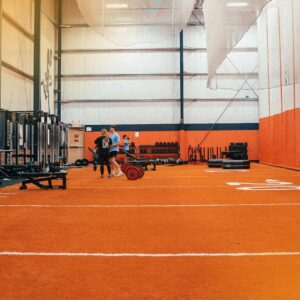
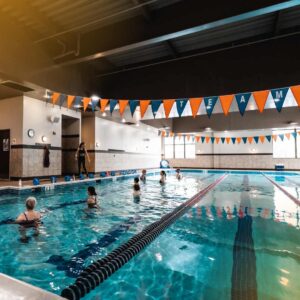
Team85 Fitness & Wellness in Bordentown helps nearby residents and families stay active through its fitness center, personal training programs, aquatics center, athletic space, and recovery-supporting amenities. Local athletes, parents, and working adults can build repeatable routines combining structured exercise, informed guidance, and recovery choices suited to their goals.
Is Cold Plunge Recovery Worth Adding to Your Routine?
Cold plunge recovery can be worthwhile when you tolerate cold safely and need short-term relief after demanding conditioning or competitive exercise, but it should be used selectively rather than treated as a cure-all. People focused on muscle gain should avoid plunging immediately after most lifting sessions, while athletes needing a faster turnaround may find it helpful.
For a more complete recovery strategy, explore Team85’s personal training options or contact Team85 Fitness & Wellness to discuss a fitness routine that matches your goals.
Cold Plunge FAQs
1. What Are the Main Cold Plunge Benefits?
2. Does a Cold Plunge Help Muscle Recovery?
3. How Long Should You Stay in a Cold Plunge?
4. What Is the Best Cold Plunge Temperature for Beginners?
5. Should You Cold Plunge Before or After a Workout?
6. Is a Cold Plunge After Weight Training Bad for Muscle Growth?
7. How Often Should You Cold Plunge?
8. Are Ice Bath Benefits Better Than a Cold Shower?
9. Can a Cold Plunge Reduce Inflammation?
10. Does Cold Plunging Help With Weight Loss?
11. Can Cold Plunges Improve Sleep or Mood?
12. Who Should Avoid Cold Water Therapy?
13. Can You Use a Sauna and Cold Plunge on the Same Day?
Team85 members can also explore available fitness and wellness amenities as part of a balanced recovery routine.
Medical note: This article is intended for general education and does not replace individualized medical advice.