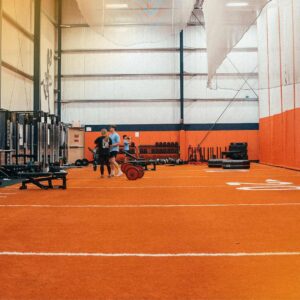

Train hard, stay consistent: injury prevention for HIIT
High-intensity workouts can build strength and cardiovascular fitness, but fatigue can compromise form. Injury prevention starts with movements suited to your ability, a dynamic warm-up, and stopping for sharp or worsening pain. The CDC recommends starting low and increasing gradually, with safe warm-ups and cool-downs (CDC activity guidance). In Bordentown, explore Team85 fitness and group classes.
A practical warm-up routine before high-intensity training
Warm up for 5–10 minutes, starting easily and gradually rehearsing the movements in your session. Save static stretching for after training or separate flexibility work.
- Start with brisk walking, easy cycling, or light jogging.
- Add controlled dynamic moves such as body-weight squats, arm circles, hip hinges, and walking lunges.
- Perform a few low-intensity versions of the workout’s main movements before adding speed or load.
If a movement causes pain, reduce its range, choose an easier variation, or skip it and seek professional advice when symptoms persist.
Injury prevention tips: progress, technique, and recovery
Increase only one training demand at a time, such as duration, resistance, or frequency. Choose controlled repetitions over speed; end a set when fatigue changes your posture. Wear suitable footwear, hydrate, and allow recovery between demanding sessions. If you have a health condition or are returning from injury, seek professional guidance before progressing.
| Training choice | Safer approach | Common risk to avoid |
|---|---|---|
| Warm-up | Gradual cardio plus dynamic movement | Starting at maximum effort |
| Progression | Increase one variable gradually | Sudden jumps in load or volume |
| Technique | Controlled, pain-free range | Chasing speed as form breaks down |
| Recovery | Rest, hydration, and easier days | Repeating hard sessions while exhausted |
High-intensity workout safety in Burlington, Monmouth, Bucks, and Mercer
Team85 is in Bordentown, a Delaware River town in Burlington County, New Jersey, positioned between the Philadelphia region and central New Jersey. Its nearby communities include Mercer and Monmouth counties in New Jersey and Bucks County across the river in Pennsylvania, a diverse region of historic towns, suburban neighborhoods, and active commuters. Hot, humid summers call for sensible pacing and hydration outdoors; colder or wet seasons can make indoor exercise useful year-round. Team85 offers fitness and training options for local residents; confirm current programs and travel details before visiting.
FAQs: injury prevention and high-intensity workout safety
1. How do I prevent injuries during HIIT workouts?
Warm up, choose scalable movements, keep technique controlled, and progress gradually. Stop for sharp pain.
2. What is a good warm-up routine before a high-intensity workout?
Use several minutes of easy cardio followed by dynamic movements and lighter practice repetitions.
3. Can I do HIIT as a beginner?
Yes, if you start with low-impact options, shorter intervals, and adequate recovery; ask a clinician if health concerns apply.
4. Should I stretch before HIIT to avoid workout injuries?
Use dynamic movement to prepare; avoid forcing long, deep static stretches on cold muscles.
5. How often should I do high-intensity workouts?
There is no single schedule for everyone. Allow recovery between demanding sessions and adjust to your training history.
6. What are signs I should stop exercising?
Stop for chest pain, faintness, unusual shortness of breath, sudden severe pain, or loss of coordination; seek urgent care for emergencies.
7. How can I protect my knees during HIIT?
Use a comfortable range, land softly, and select lower-impact alternatives if jumping causes discomfort.
8. How can I prevent muscle strains during intense training?
Warm up progressively, avoid sudden load increases, and stop when fatigue affects control.
9. Is soreness after a HIIT workout normal?
Mild muscle soreness can occur, but severe, worsening, or persistent pain deserves medical advice.
10. Does hydration help with workout safety?
Yes. Drink fluids regularly and adapt intake to conditions and your individual needs; see CDC heat guidance for athletes.
11. What should I wear for a high-intensity workout?
Choose comfortable clothing, supportive footwear appropriate to the activity, and any required protective gear.
12. Can strength training help prevent exercise injuries?
Well-planned strength work can support movement capacity, but technique and suitable progression matter. Explore Team85 training.
13. Where can I find safe group fitness in Bordentown, NJ?
Review Team85 group classes and contact the facility for current schedules and class suitability.
Build consistency with safer high-intensity training
Make effort repeatable: warm up, scale intensity to your fitness, and prioritize recovery. See Team85 Fitness & Wellness for local facility information.