Finishing a demanding workout often leaves your muscles feeling tight, your heart rate elevated, and your body searching for a comfortable way to transition from physical effort into recovery, which is why many gym members consider using a sauna after a workout as part of their post-exercise routine.
A post-workout sauna may help you relax, ease temporary muscle tension, and create a calming transition after strength training, cardio, sports conditioning, or a group fitness class, but the benefits depend on using the sauna at the right time, staying hydrated, and recognizing when additional heat may be too much for your body.
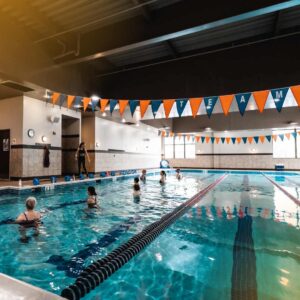
At Team85 Fitness & Wellness, members can combine professional training, group classes, aquatics, fitness equipment, and men’s and women’s locker-room saunas within one fitness and recovery environment.
Is a Sauna After a Workout Good for You?
For most healthy adults, using a sauna after a workout can be an enjoyable addition to a balanced recovery routine, especially after the body has had several minutes to cool down and the fluids lost during exercise have started to be replaced.
Sauna heat raises skin temperature, encourages additional sweating, and affects circulation, so entering immediately after an intense workout may place unnecessary stress on a body that is already hot and potentially dehydrated. A safer approach is to complete a gradual cooldown, drink water, allow your breathing and heart rate to settle, and then begin a short sauna session.
The UCLA Health sauna safety guidance recommends that beginners start with approximately five to ten minutes and that sauna sessions generally be limited to no more than 20 minutes.
Sauna Benefits After Exercise and Strength Training
Sauna for Muscle Recovery and Temporary Soreness
One of the most popular sauna benefits after exercise is the feeling of muscular relaxation that develops as heat helps the body unwind after lifting weights, running, cycling, swimming, or participating in a high-intensity class.
Research into post-exercise infrared sauna use has reported possible improvements in perceived muscle soreness and certain measurements of neuromuscular recovery, although the available evidence remains limited and should not be interpreted as proof that sauna use can replace sleep, nutrition, hydration, active recovery, or properly programmed rest days.
Members interested in developing a complete recovery routine can also explore Team85’s guide to the science of muscle recovery.
Increased Circulation and Post-Workout Relaxation
Sauna exposure causes blood vessels near the skin to widen, increases circulation, and may temporarily increase heart rate in a way that resembles some cardiovascular responses to light or moderate exercise, although sitting in a sauna does not provide the muscular, metabolic, or conditioning benefits of an actual workout.
The heat may also create a calming experience that helps members mentally transition out of training mode, reduce feelings of tension, and establish a more consistent post-workout wellness ritual.
Sauna Recovery Benefits Do Not Include “Detoxing” Fat
Sweating is an essential temperature-regulation process, but a sauna should not be promoted as a method for removing large amounts of toxins or rapidly burning body fat.
Any immediate decrease on the scale after a post-workout sauna is primarily related to fluid loss rather than permanent fat loss, and the weight will normally return after proper hydration. Cleveland Clinic explains that sweat is mostly water and that forcing excessive sweating may increase the risk of dehydration and electrolyte imbalance rather than meaningfully “purifying” the body.
Post-Workout Sauna Timing Comparison
| Sauna Timing | Potential Advantage | Main Concern | Better Approach |
| Before a workout | May make the body feel warm | Early dehydration, fatigue, overheating, and reduced workout performance | Use a dynamic warm-up instead |
| Immediately after intense exercise | Convenient and relaxing | Heart rate and body temperature may still be elevated | Cool down and hydrate first |
| After a 5–15-minute cooldown | Allows breathing and heart rate to settle | Additional fluid loss is still possible | Best option for many healthy adults |
| On an active recovery day | Offers relaxation without immediate workout heat | Still requires hydration and time limits | Combine with walking, mobility, or light swimming |
The right timing varies according to workout intensity, temperature, hydration status, medications, medical history, and personal heat tolerance, so members should never treat a fixed sauna duration as a target they must complete.
How to Use a Sauna After a Workout Safely
A safe post-workout sauna routine begins before entering the room, because the body may already have lost a meaningful amount of fluid through exercise.
Complete a gradual cooldown, drink water, remove sweaty workout clothing, follow the facility’s hygiene rules, sit on a clean towel, and begin with approximately five to ten minutes if you are new to sauna use. Experienced users may gradually increase their time, but sessions should not become endurance challenges.
Leave the sauna immediately if you experience dizziness, nausea, unusual weakness, confusion, headache, chest discomfort, difficulty breathing, severe muscle cramping, or a sensation that you may faint.
Additional sauna safety tips include avoiding alcohol before and during sauna use, replacing fluids afterward, allowing your body to cool gradually, and avoiding an immediate extreme cold plunge unless you understand its risks and have received appropriate medical guidance. UCLA Health identifies hydration, shorter beginner sessions, a general 20-minute limit, and avoiding alcohol as important sauna precautions.
Who Should Ask a Doctor Before Using a Post-Workout Sauna?
People who are pregnant, have low blood pressure, uncontrolled blood pressure, heart disease, heart failure, severe aortic stenosis, epilepsy, or another condition affected by heat should consult a qualified healthcare professional before using a sauna.
Medical guidance is also important for older adults, younger users, people taking medications that affect blood pressure or sweating, and anyone who has recently experienced a heart attack or stroke. Cleveland Clinic advises avoiding sauna use after a recent heart attack or stroke and recommends medical guidance for several cardiovascular, neurological, pregnancy-related, and medication-related situations.
This information is intended for general education and should not replace advice from a physician or another qualified healthcare professional.
Sauna Use in the United States, Finland, and Japan
Sauna use varies by country, although hydration and responsible heat exposure remain important everywhere.
In the United States, saunas are frequently used in gyms and wellness facilities as a post-workout relaxation amenity. In Finland, sauna bathing is a deeply established social and wellness tradition that UNESCO recognizes as part of the country’s intangible cultural heritage. In Japan, modern sauna routines are often connected with the country’s broader public-bathing culture, with many facilities combining sauna heat, cold-water bathing, and a quiet rest period.
These international practices can provide useful inspiration, but the safest routine is always based on individual health, hydration, heat tolerance, and facility guidelines rather than copying the most intense version of another country’s sauna tradition.
Post-Workout Sauna Access Near Burlington, Monmouth, Bucks, and Mercer Counties
Burlington County combines historic South Jersey communities, suburban neighborhoods, parks, and convenient connections between the Delaware River and the Jersey Shore region, while Mercer County includes active communities around Trenton, Hamilton, Princeton, and nearby Bordentown. Monmouth County offers a distinctive mix of coastal living, residential communities, and year-round recreation, whereas Bucks County in southeastern Pennsylvania is known for its historic towns, scenic landscapes, and Washington Crossing area. The region experiences humid summers, cold winters, storms, and changing seasonal conditions, which can make consistent outdoor exercise difficult. Local businesses such as Team85 Fitness & Wellness give residents, families, athletes, and working professionals access to climate-controlled exercise, aquatics, coaching, and sauna recovery throughout the year.
Build a Complete Sauna Recovery Routine at Team85
A sauna works best when it supports a complete recovery plan rather than functioning as the entire plan.
After attending group fitness classes in Bordentown or completing a session with a Team85 personal trainer, members can cool down, rehydrate, use the sauna responsibly, and plan lighter movement through the Team85 Aquatics Center when their bodies need lower-impact activity.
This combination creates a more sustainable relationship between training effort and recovery while giving members several ways to remain active throughout the week.
Is a Post-Workout Sauna Worth Adding to Your Recovery Plan?
Using a sauna after a workout can be a comfortable and rewarding way to relax, ease temporary muscle tension, and create a more intentional recovery routine, provided that you cool down first, replace lost fluids, keep the session reasonably short, and pay attention to warning signs from your body.
At Team85 Fitness & Wellness, members can combine strength training, personal coaching, group fitness, aquatics, and sauna access within one community-focused facility, making it easier to build a balanced routine that supports both consistent training and responsible recovery.
Frequently Asked Questions About Sauna After Workout Recovery
Is a sauna good after a workout?
How long should you stay in a sauna after a workout?
Should you use a sauna before or after a workout?
Does a sauna help with muscle recovery?
How long should you wait before using a sauna after exercise?
Is a sauna good after lifting weights?
Is a sauna good after cardio?
Does a sauna reduce muscle soreness after exercise?
Can using a sauna after a workout help with weight loss?
Should you shower before or after a post-workout sauna?
How often can you use a sauna after exercise?
Who should avoid using a sauna after a workout?
What should you drink after a post-workout sauna?