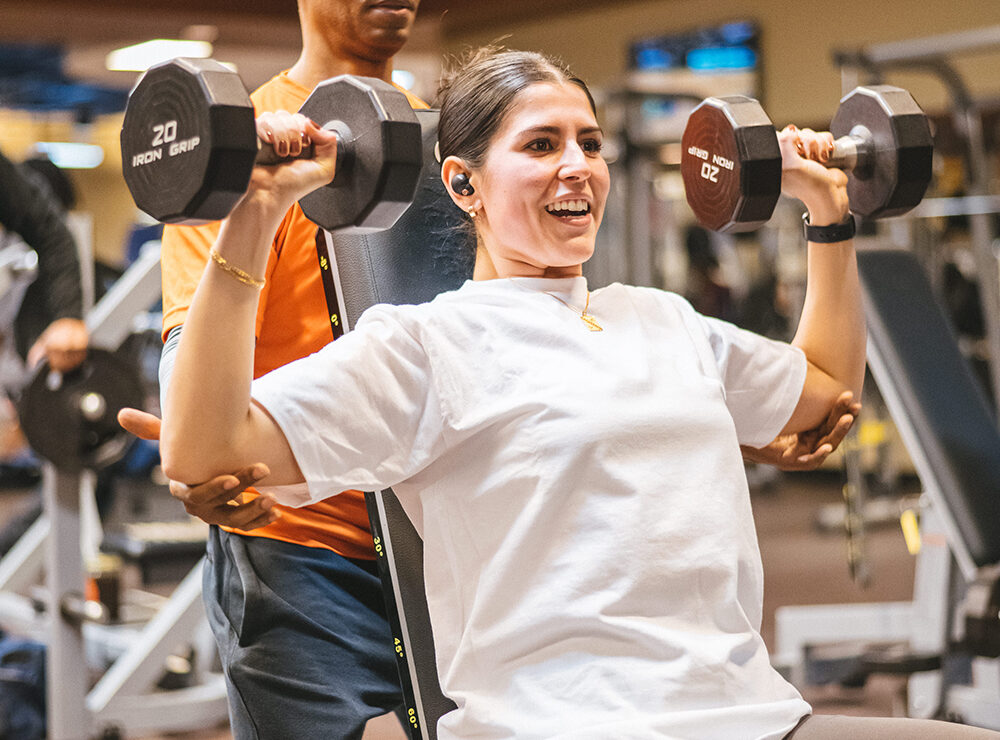
A tough workout can improve strength, endurance, and overall fitness, but progress does not come from training alone because your body also needs enough time, nutrition, hydration, and rest to repair itself properly. Following the right workout recovery tips can help reduce soreness, restore energy, improve performance, and prepare your body for your next training session without unnecessary fatigue.
At Team85 Fitness & Wellness, members can combine strength training, personal training, group fitness, aquatics, and wellness amenities to build a more balanced fitness and recovery routine.
Why Muscle Recovery After a Workout Matters
Muscle recovery after a workout is the process in which your body repairs muscle tissue, restores energy, and adapts to the stress created during exercise. Without adequate recovery, repeated hard training may lead to excessive fatigue, poor performance, prolonged soreness, and an increased risk of injury.
Recovery becomes especially important after strength training because muscles need time to rebuild before they are heavily trained again.
Best Workout Recovery Tips After Exercise
Hydrate After Your Workout
Hydration is one of the simplest ways to support post workout recovery, especially after intense exercise or long training sessions that cause heavy sweating. Drinking enough water helps your body regulate temperature, transport nutrients, and maintain normal muscle function.
For longer or high-intensity workouts, electrolyte-containing drinks may also help replace minerals lost through sweat.
Eat Protein and Carbohydrates for Muscle Recovery
Your post-workout nutrition should include a combination of protein and carbohydrates because protein provides amino acids needed for muscle repair, while carbohydrates help replenish energy used during exercise.
Good options include eggs with whole-grain toast, chicken with rice, Greek yogurt with fruit, fish with potatoes, or a balanced smoothie.
Prioritize Quality Sleep
Sleep plays a major role in recovery after strength training because many important repair and recovery processes occur while the body is resting.
Most adults should aim for approximately seven to nine hours of quality sleep each night, especially when following a demanding workout routine.
Use Active Recovery for Sore Muscles
You do not always need complete rest when your muscles feel mildly sore. Gentle walking, stretching, mobility exercises, light cycling, or swimming can help maintain movement without placing excessive stress on recovering muscles.
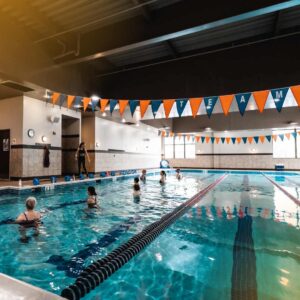
Members can also use the Team85 Aquatics Center for low-impact swimming and aquatic exercise.
Give Muscle Groups Enough Rest
Training the same muscle group intensely every day can interfere with proper recovery, so structured workout scheduling is important.
Alternating muscle groups, including lighter training days, and using rest days can improve sore muscle recovery and help maintain consistent performance.
If you need a personalized training plan, explore Team85 Personal Training.
Post Workout Recovery Methods Compared
| Recovery Method | Main Benefit | Best Use |
| Hydration | Replaces fluids | After every workout |
| Protein | Supports muscle repair | After strength training |
| Carbohydrates | Restores energy | After demanding workouts |
| Sleep | Supports full-body recovery | Every night |
| Active recovery | Reduces stiffness | Light recovery days |
| Rest days | Prevents overtraining | Between hard sessions |
| Foam rolling | Helps relieve tightness | After training or recovery days |
How Long Does Muscle Recovery After a Workout Take?
Recovery time varies depending on training intensity, fitness level, age, nutrition, sleep quality, and the muscle groups trained.
Mild soreness may improve within one to three days, while particularly demanding workouts may require longer recovery. Sudden sharp pain, severe swelling, weakness, or persistent discomfort should not be treated as normal muscle soreness and may require professional medical evaluation.
For reliable health information about muscle soreness, visit Cleveland Clinic.
Workout Recovery Tips for Burlington County Residents
Burlington County, New Jersey, combines suburban communities with parks, trails, and convenient access to major regional destinations, making fitness and outdoor recreation part of daily life for many residents. Seasonal temperatures, humid summers, cold winters, and unpredictable weather can sometimes make consistent outdoor exercise difficult, which is why having access to a year-round fitness facility can be valuable. Team85 Fitness & Wellness in Bordentown provides strength training, aquatics, group fitness, personal training, and indoor workout options for Burlington County residents who want to maintain a reliable fitness and recovery routine throughout the year.
Fitness and Recovery for Monmouth County Residents
Monmouth County is known for active communities, beaches, parks, trails, and outdoor recreation, but changing weather conditions can affect training routines throughout the year. Residents who want consistent access to structured strength training, cardiovascular exercise, coaching, and recovery options can benefit from combining outdoor activity with indoor fitness. Team85 Fitness & Wellness provides a complete facility where members can maintain their training routine, improve strength, and recover effectively regardless of seasonal conditions.
Workout and Wellness Options Near Bucks County
Bucks County, Pennsylvania, offers a combination of historic towns, outdoor recreation, parks, trails, and Delaware River communities, making active living popular among local families and professionals. Hot summers, cold winters, and changing weather can make indoor fitness facilities useful for maintaining year-round training consistency. Team85 Fitness & Wellness in Bordentown offers strength equipment, group classes, aquatics, personal training, and wellness amenities for Bucks County residents looking for a more complete fitness experience.
Personal Training and Recovery Near Mercer County
Mercer County includes active communities such as Hamilton, Princeton, Trenton, Lawrence, and West Windsor, where professionals, families, students, and athletes often balance busy schedules with fitness goals. Weather changes and demanding routines can make structured indoor training especially useful. Team85 Fitness & Wellness offers convenient access to strength training, personal coaching, aquatics, group fitness, and recovery-focused amenities for Mercer County residents seeking a consistent and comprehensive approach to fitness.
Improve Your Post Workout Recovery at Team85 Fitness & Wellness
Effective recovery does not require complicated routines because the fundamentals remain the most important: hydrate properly, eat enough protein and carbohydrates, sleep consistently, schedule appropriate rest, and use active recovery when needed.
At Team85 Fitness & Wellness, you can combine strength training, group fitness classes, personal training, and aquatics to build a training program that supports both performance and long-term recovery.
Frequently Asked Questions About Workout Recovery
How can I recover faster after a workout?
How long does muscle recovery after a workout take?
What should I eat after a workout for muscle recovery?
Is walking good for sore muscle recovery?
Should I work out when my muscles are sore?
Does sleep help muscle recovery?
How many rest days do I need after strength training?
Is swimming good for post workout recovery?
Does protein help sore muscles recover faster?
What is the best drink for workout recovery?
Can foam rolling help muscle soreness after a workout?
What is the best recovery after a leg workout?
When should post-workout soreness be a concern?